Allergic Conjunctivitis
Allergic conjunctivitis is an allergic reaction that primarily affects the eyes, causing redness, itching, and watering.
About Allergic Conjunctivitis
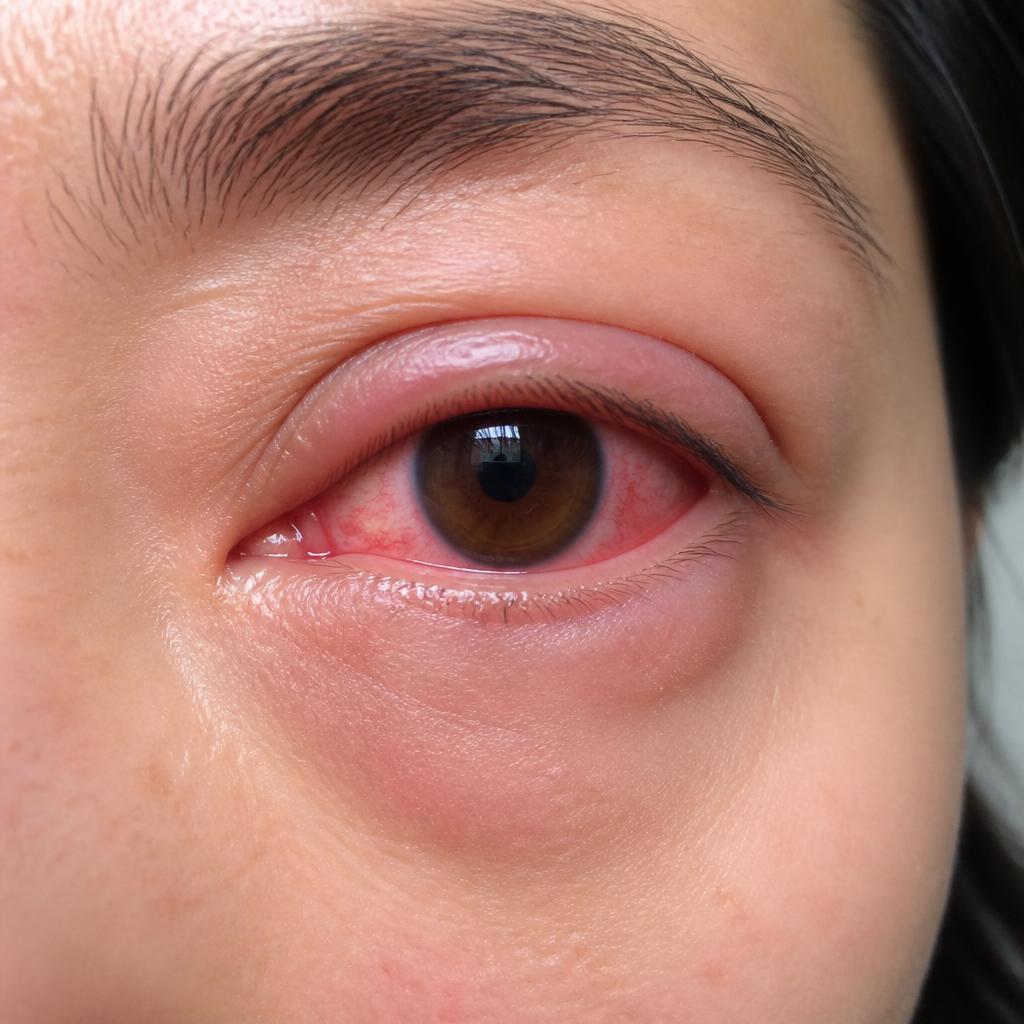
Allergic conjunctivitis is an allergic reaction that primarily affects the eyes. It occurs when the eyes come into contact with allergens such as pollen, dust mites, pet dander, or certain medications. The immune system reacts to these allergens by releasing chemicals, causing inflammation and irritation of the conjunctiva—the thin, clear tissue covering the white part of the eye and the inner surface of the eyelids.
Common symptoms of allergic conjunctivitis include redness, itching, watering, and a gritty or burning sensation in the eyes. It may also cause swelling of the eyelids and increased sensitivity to light. Allergic conjunctivitis can occur seasonally, in response to specific allergens like pollen during spring or fall, or it can be perennial, persisting year-round due to exposure to indoor allergens.
Managing allergic conjunctivitis involves minimizing exposure to allergens and using various treatment approaches. This may include applying cool compresses to soothe the eyes, using over-the-counter or prescription antihistamine eye drops, or taking oral antihistamines to reduce overall allergy symptoms. In more severe cases, healthcare professionals may recommend prescription-strength medications or other specialized treatments to alleviate symptoms and provide relief for individuals affected by allergic conjunctivitis.
Not sure if this is what you're experiencing?
Dr. Nguyen will listen to your history, run the right tests, and build a personalized plan — no cookie-cutter treatment.